IA e le traduzioni letterari: funziona? / AI and literary translation: does it work?

Cosa ne pensa questa traduttrice [scroll down for English] dell’uso dell’intelligenza artificiale per tradurre un’opera letteraria? Funziona?

L’intelligenza artificiale è uno strumento molto potente e sviluppi recenti hanno migliorato molto la qualità delle traduzioni.  Ma, personalmente, non credo che sia una buona idea per un autore—che ha investito anni di lavoro e ha revisionato e revisionato ancora  il suo manoscritto—di gettare sua opera nel buco nero dell’IA aspettandosi di riavere in mano il suo romanzo in un’altra lingua, pronto per essere commercializzato o proposto a una casa editrice.

L’intelligenza artificiale ha difficoltà nel percepire le sfumature di una lingua e di trovare la giusta forma in un’altra. Non può sentire una lingua e una cultura sulla propria pelle perché pelle non ne ha. Non interagisce con te come fa un traduttore umano. Non ti chiede spiegazioni. Non ti fa domande sulle caratteristiche nascoste del tuo protagonista. Non ti dice che un passaggio non è chiaro per il lettore. Non ti fa notare un piccolo difetto nel testo che va corretto anche nel testo originale.

È vero che l’IA è di grande aiuto nel controllare l’ortografia, la grammatica e la sintassi, proporre possibili approcci a un passaggio molto complesso, e velocizzare le ricerche di un traduttore attento per capire meglio il contesto, l’epoca storica e l’ambientazione del romanzo che sta traducendo. Ma tu, caro autore, sei umano e credo che ci voglia un umano per tradurre il tuo lavoro.

Quando un traduttore di madrelingua revisiona un testo tradotto dall’IA, il rischio più grande è che—dopo un po’—non riesca più a distinguere la voce di IA da quella naturale dell’autore umano. In questi casi, il traduttore deve procedere a rilento, è tormentato da dubbi costanti e lotta per entrare in sintonia con l’autore. Un traduttore professionista fa di tutto per preservare la voce dell’autore, non appiattirla.

Io non vedo l’IA come un nemico ma piuttosto come uno strumento. Uno strumento come un vocabolario online, un computer, o un’app che converti la voce in testo che, insieme, aiutano una persona a produrre qualcosa di creativo e di impatto.

Il mio consiglio per la traduzione di un testo letterario è di scegliere un umano, non una macchina.

What does this translator think of using artificial intelligence to translate a work of literature?

AI is a very powerful tool and recent developments have greatly improved translation output. But, in my opinion, it’s not a good idea for an author—who’s perhaps spent years writing, and revising and revising again a manuscript—to toss it into the black hole of AI expecting to get back their novel in another language, ready to be marketed or proposed to a publisher.

It’s difficult for AI to perceive the nuances in one language and find the best corresponding form in another. It can’t feel a language and culture on its skin, because it doesn’t have skin. It won’t interact with you like a human translator will. It won’t ask you for explanations. It won’t inquire about your protagonist’s hidden qualities. It won’t tell you if a passage isn’t clear for the reader. It won’t notice small defects in your text that should be corrected in the original.

It’s true that AI is a great help in checking spelling, grammar and syntax, and can suggest different approaches to a very complex passage and speed up a careful translator’s research about the context, historical period, and setting of the novel they’re translating. But you, dear author, are human, and I believe it takes a human to translate your work.

When a mother tongue translator revises a text that’s been AI translated, the greatest risk is that—after a while—they can’t distinguish the AI voice from the natural human author’s. In these cases, the translator proceeds at a snail’s pace, suffers from constant doubts, and struggles to connect with the human author. A professional translator does everything they can to preserve the voice of the author, not to flatten it.

I’m not saying that AI is an enemy, but rather let’s keep it as a tool, just like an online dictionary, a computer, or a voice-to-text app which, together, can help a person produce something creative and impactful.

My advice for the translation of a literary text: always choose a human translator, not a machine.


Non dimenticare mai il tocco umano! / Never forget the human touch!

Di solito, [scroll down for English] scrittori e traduttori trascorrono lunghe ore da soli davanti ai loro al computer. E’ un fatto della professione, come gli agricoltori che trascorrono le giornate all’aria aperta o i bancari che calcolano gli interessi. Ma come si può raccontare storie dell’esperienza umana se non ci si immerge in essa, almeno di tanto in tanto? Incontrare altre persone, faccia a faccia, che condividono il tuo amore per le parole è il tocco umano che può fare la differenza.

E’ essenziale fare parte di una comunità. Quando l’incoraggiamento, il riscontro, o l’ascolto amico arrivano al momento giusto, il tuo libro, saggio, poesia, o traduzione può assumere uno splendore caloroso, un ingrediente unico che l’intelligenza artificiale non può donare a un testo. Avendo intorno persone affidate che ti capiscono e capiscono anche tuo lavoro rende le tue lunghe ore da solo un semplice aspetto del tuo routine e non la causa di un senso di isolamento.

Per questo motivo alcune scrittrici ed io abbiamo creato il Florence Literary Society, un’associazione culturale non-profit con lo scopo di offrire una comunità ai scrittori e lettori internazionali a Firenze, qualunque sia la loro lingua, livello di scrittura, o genere letterario.

Typically, writers and translators pass long hours alone in front of their computers. It’s part of the profession, like farmers spending their days in the outdoors or bankers calculating interest. But how can you tell stories about the human experience unless you immerse yourself in it, at least from time to time? Meeting face-to-face with others who share your love of words is the human touch that can make a difference.

Being part of a community is essential. When encouragement, feedback, or a friendly ear come along at the right time, your book, essay, poem or translation can take on a warm shine, the special ingredient that artificial intelligence can’t give to a piece of writing. By having a trusted group of people who understand you and your work close at hand, those long hours alone become part of your routine and not the cause for a sense of isolation.

This is why several other writers and I created Florence Literary Society, a non-profit cultural association with the aim of providing a community for international writers and readers in Florence Italy, no matter what their language, level, or preferred genre.

Giornata tipo di un traduttore / A typical day for a translator

La giornata tipo [scroll down for English] di un traduttore (soprattutto di questa traduttrice) è più varia di quanto si possa pensare. Naturalmente trascorro ore a trasformare le parole della lingua di partenza in parole della lingua di arrivo, a ricercare la terminologia, a trovare i giri di parole che trasmettono le sfumature e a correggere la traduzione. Sono tutte fasi scontate e necessarie. Ma passo anche molto tempo ad affinare le mie capacità di scrittura in inglese. La trama, i personaggi e l’ambientazione di un libro sono stabiliti dall’autore originale, mentre la traduttrice riscrive essenzialmente la stessa storia nella sua lingua.

Lavorare in gran parte con autori indipendenti significa che la traduzione che produco deve reggersi forte fin dall’inizio. L’editing post-traduzione è essenziale, ma poiché il processo complessivo nel self-publishing e nell’editoria indipendente è più snello, mi impegno di fornire ai miei clienti un testo il più curato possibile. Ed è qui che entra in gioco la capacità di scrivere nella propria lingua.

Sono un membro fondatore della Florence Literary Society e ho partecipato assiduamente a gruppi di scrittori e ad altri eventi dedicati agli scrittori. Queste esperienze hanno contribuito a mantenere i miei muscoli di scrittrice elastici, forti e pronti all’azione, qualità importanti visto che spesso lavoro in stretta collaborazione con i miei autori.

A typical day for a translator (especially this translator) is more varied than one might think. Of course, I spend hours transforming the words in the source language into words in the target language, researching terminology, finding turns of phrase that convey the nuances, and proofreading the translation. These are all obvious and necessary steps. But I also spend a lot of time honing my writing skills in English. The plot, characters, and setting of a book are established by the original author, while the translator essentially rewrites that same story in her own language.

Working largely with independent authors means that the translation I produce has to stand solidly on its own from the beginning. Editing post-translation is essential, but as the overall process is streamlined in self- and independent-publishing I aim to provide my clients with the most polished text possible. And that’s where the nuts and bolts of writing come in.

I’m a founding member of the Florence Literary Society and have been an assiduous participant in writers’ groups and other writers’ events. These experiences have helped keep my writing muscles supple, strong, and ready to perform, important qualities as I often work in close collaboration with my authors.

L’aggiornamento professionale / Staying updated

In qualsiasi professione [scroll down for English] è importante tenersi aggiornati sulle ultime tendenze, sulle nuove tecnologie e sulle prospettive per il futuro. Sia gli scrittori che i traduttori hanno le stesse esigenze.

Per gli scrittori, in particolare, questo può significare tenersi aggiornati sulle tendenze stilistiche, su nuove opportunità di marketing o sugli incontri con i professionisti del settore. Per non parlare del perfezionamento di questioni come lo sviluppo dei personaggi, i dialoghi o le trame.

I traduttori affrontano novità per quanto riguarda contratti, tendenze di genere, nuovi editori e contatti con autori e agenti.

Sebbene la scrittura e la traduzione siano spesso attività solitarie, lo sviluppo professionale spesso porta ai migliori risultati, secondo me, quando siamo a contatto con gli altri. Corsi in presenza o online, seminari, fiere, mentoring o ritiri sono ideali. Ci sono centinaia di opportunità che aspettano i partecipanti: qualsiasi ambiente che stimoli e informi è degno di attenzione. Lo scambio di idee, i racconti di esperienze altrui e le riflessioni degli esperti possono letteralmente cambiare il modo di lavorare e il futuro professionale.

In any profession, it’s important to stay up to date on the latest trends, new technology, and outlooks for the future. And writers and translators are no different.

In particular, for writers, this can mean staying abreast of style trends, marketing opportunities, or meeting industry professionals. Not to mention honing issues of craft like character development, dialogue, or plotting issues.

Translators face novelty in areas such as contracts, genre trends, new publishers, and connecting with entrepreneurial authors and agents.

While writing and translating are most frequently solitary endeavors, professional development often yields, in my opinion, the best results in contact with others. In-person or online courses, seminars, trade fairs, mentoring, or retreats are ideal. There are hundreds of opportunities just waiting for participants: any setting that stimulates and informs is worthy of attention. The exchange of ideas, stories of other people’s experiences, and expert insights can literally change the way your work and your professional future.

Finalmente in arrivo! / Coming soon, finally!

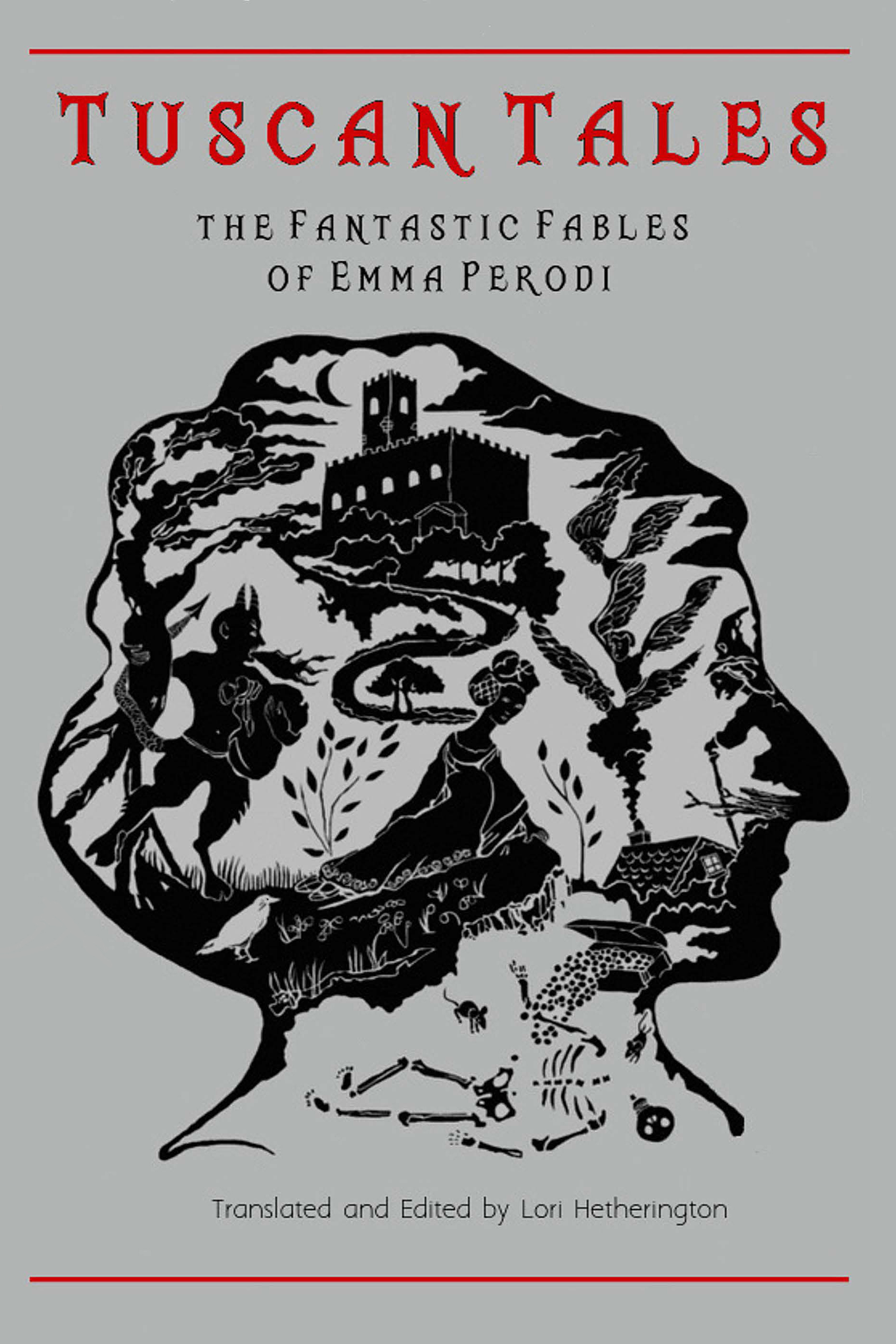
Come si sente [scroll down for English] una persona quando finalmente arriva alla conclusione di una traduzione su cui lavora da oltre vent’anni?  Il mio cuore batte forte. Fisso la copertina. Il legame che mi collega all’autore originale, morto da più di un secolo, diventa una corda di seta multicolore.

Tuscan Tales: the fantastic fables of Emma Perodi sta per essere presentato al mondo. E io volo su una nuvola.

Da quando ho conosciuto il libro più famoso di Emma Perodi, Le novelle della nonna. Le fiabe fantastiche, ho voluto tradurlo. Era una ragazza madre e fumatrice di sigari in un periodo in cui quei fatti innalzavano ostacoli insormontabili sul cammino di una donna, eppure lei perseverava.

Il suo libro è stato pubblicato in italiano più di una dozzina di volte da quando è apparso per la prima volta in forma seriale nel 1892; è stato inserito in collezioni di fiabe classiche accanto ad autori come Hans Christian Andersen e i fratelli Grimm; è stata una stretta collaboratrice di Carlo Collodi; le sue opere hanno dato vita a mostre e a un parco letterario. Allora perché è sconosciuta al di fuori dell’Italia?

Non sono né una studiosa né un’esperta di letteratura del XIX secolo; sono una lettrice, una traduttrice, una donna. L’unica spiegazione che mi viene in mente è che lei (come molte altre scrittrici) è state vittima di un sistema patriarcale che rende più facile per gli uomini emergere e farsi notare. È stato detto che era ambiziosa e combattiva, la mia ipotesi è che queste parole siano la connotazione negativa di qualità ammirevoli come l’intraprendenza e fermezza. Sono cresciuta aspirando ad avere queste qualità personali e, finalmente, consegnare l’opera di Emma Perodi al mondo intero è una vittoria.

How does a person feel when they finally reach the conclusion of a translation that they’ve been working on for over twenty years?  My heart is aflutter. I gaze at the cover. The link that connects me to the original author who died more than a hundred years ago becomes a multicolored silk rope.

Tuscan Tales: the fantastic fables of Emma Perodi is about to be released to the world. And I’m floating on a cloud.

Ever since I was introduced to Emma Perodi’s most famous book, Le novelle della nonna. Le fiabe fantastiche, I’ve wanted to translate her work. She was a cigar-smoking, unwed mother at a time when those adjectives erected stone walls across a woman’s path, and yet she persevered.

Her book has been republished in Italian over a dozen times since it first appeared in serialized form in 1892; it’s been included in collections of classic fairy tales alongside authors such as Hans Christian Andersen and the Brothers Grimm; she was a close colleague of Carlo Collodi, the author of The Adventures of Pinocchio; her work has spawned special exhibits and a literary park. So why is she unknown outside of Italy?

I’m not a scholar or expert on 19th-century literature; I’m a reader, a translator, a woman. The only explanation I can come up with is that she (like many other female writers) has been a victim of a patriarchal system that makes it easier for men to rise to the surface and be noticed. It’s been said she was ambitious and combative, my guess is that those words are the negative connotation of admirable qualities such as resourcefulness and assertiveness. I was raised to aspire to those personal qualities and finally delivering Emma Perodi’s work to the greater world feels like a victory.


Il potere del brainstorming / The Power of Brainstorming

Amo il brainstorming [scroll down for English]: l’energia che si genera, le idee che arrivano miracolosamente a raffica, il senso di gruppo che si forma velocemente tra i partecipanti, la profonda soddisfazione che nasce dal creare qualcosa di nuovo e di averlo fatto insieme ad altre persone.

Il brainstorming è una tecnica nata verso la fine degli anni ’30 da un promotore che stava cercando nuove idee. Spesso viene applicato nelle aziende per trovare soluzioni innovative a vari problemi, ma è anche una strategia estremamente efficace in mano agli scrittori.

Molti hanno l’idea che gli scrittori (e anche i traduttori) siano individui solitari, curvi sul computer; persone con un particolare dono nel raccontare storie, che passano ore a fare ricerche finché non chiariscono un dettaglio minuscolo. A volte, quest’immagine coincide con la realtà.

Ma c’è anche un’altra possibile immagine.

Gruppi di scrittori – due o tre, anche fino a venti – intenti ad aiutarsi a vicenda per superare un ostacolo. Il titolo giusto che non viene, un personaggio ostinato, una trama che sembra insabbiarsi o l’idea per una storia che è ancora in embrione.

Qualche volta uno scrittore può aiutarsi da solo. Ci sono vari metodi per superare un blocco: per esempio, chiedersi “cosa succederebbe se?” o aiutarsi con delle foto per calarsi nell’ambientazione o, semplicemente, cambiare il luogo dove si scrive. Il metodo che preferisco, per risolvere un problema, è lavorarci con un collega fidato o un gruppo di altri scrittori.

Alcuni delle mie esperienze più sorprendenti sono avvenute in situazioni dove i partecipanti non si conoscevano. Deve essere il contributo di idee da menti tanto diverse che porta nuova vita al processo creativo. Generalmente, il brainstorming cattura l’attenzione delle persone coinvolte – onestamente, non credo di aver mai visto qualcuno controllare i messaggi sullo smartphone durante una di queste sessioni! – e aiuta tutti a trovare maggior concentrazione e ispirazione.

I love brainstorming. I love the energy that’s generated. I love the rapid-fire ideas that seem to miraculously appear in the room. I love the sense of group that quickly forms among the participants. I love the deep satisfaction that comes from having created something new, and having done so together with other people.

Brainstorming, as a recognized concept, was born in the late 1930s by a marketer who was trying to come up with new ideas and it is often used in business contexts as a way to find innovative solutions to problems. It is also an extremely effective strategy when used by writers.

Many people have an image of writers (and translators) as being solitary figures hunched over their computers who have a natural gift for storytelling or who spend hours doing research  in order to get one tiny detail just right. And those images sometimes coincide with reality.

But there’s another image, too.

Groups of writers—two or three, or as many as twenty—working together to help each other get over a hurdle. That hurdle may take the form of an elusive title, an obstinate character, a plot that has apparently run aground, the merest kernel of a story idea.

As a writer you can sometimes help yourself get around these obstacle on your own. In fact, there are many different ways to help break through a blockage such as “what if?” questions, visual aids such as photos, or simply changing your physical surroundings, but my personal preference is to work through the problem with a trusted colleague or group.

Some of my most surprising experiences have been in situations in which almost no one knows each other—it must be the in-pouring of ideas from totally different spheres that pumps new life into the creative process. Brainstorming situations generally capture the attention of participants—I don’t think I’ve ever seen someone checking their smart phone for messages during a session!—and help everyone come away with greater focus and inspiration.

Quando il traduttore viene tradotto / When a translator is translated

Ormai, [scroll down for English] è successo due volte. La prima volta, ho avuto la stessa reazione dei miei clienti, la seconda è stato uguale: ammirazione, orgoglio, emozione e un profondo legame con la traduttrice.

Generalmente, sta a me trovare parole nuove per raccontare la storia di un autore. La storia viene dall’autore; le parole in inglese vengono da me. È successo più di una volta di vedere le lacrime negli occhi di un autore quando legge la traduzione del proprio libro e di solito condivido—con il fazzoletto in mano—l’emozione con loro.

La prima volta che una delle mie storie è stata tradotta dall’inglese all’italiano sono stata travolta da un brivido di gioia. La traduttrice, Sylvia Zanotto, ha tradotto un mio racconto per l’antologia Storie (Sostantivo femminile plural) (Nardini Editore, 2017). Mi sentivo come se quel racconto—mio bambino—avesse fatto una metamorfosi  per diventare una farfalla coloratissima, ed era sul davanzale di una finestra aperta pronto a partire per l’orizzonte.  Recentemente quel breve scritto, March On, Sisters, March On, è stato pubblicato nella sua forma originale in una rivista letteraria americana. Per me, è stato un traguardo per entrambe.

L’esperienza di collaborare con Sylvia, specialmente nel trovare le parole giuste per le frasi più colloquiali, mi ha dato maggiore comprensione e sensibilità, doti importanti quando lavoro con i miei autori. Non smetterò di ringraziarla per la sua capacità e professionalità.

La seconda volta che ho letto il mio lavoro tradotto è stata particolare per via del progetto che avevo intrapreso. In questo caso si trattava di uno scritto più grande per il quale sono stata ghostwriter, e per la raccolta del materiale, anche traduttrice.

The Power of Pasta è la storia di Chef Bruno Serato e del suo impegno verso migliaia di bambini e le loro famiglie che vivono in difficoltà, attraverso il piatto italiano più apprezzato. Recentemente il libro è stato tradotto da Paola Luciani con grande talento. La storia di Chef Bruno è un incredibile viaggio personale  e testimonianza del potere dell’amore materno. È grazie alla sua mamma Caterina che Chef Bruno ha preparato la prima pentola di spaghetti al pomodoro per i bambini ed è stato l’esempio della sua vita che ha spinto Bruno a continuare di farlo.

Senza aver saputo come il progetto stava procedendo, al momento di avere la versione italiana fra le mani, vederne le fotografie a colori e leggere la storia nella lingua madre dello chef, dalle cui origini familiari tutto ha avuto inizio, è stata un’esplosione di felicità e orgoglio.

I traduttori, e credo di poter parlare in questo senso per tutti coloro che fanno questa professione, amano come le parole trasmettono le idee e l’emozioni. L’esperienza di provare il loro fluire in due direzioni, specialmente quando appartengono a te, è un sogno che si avvera.

It’s happened twice now. The first time I saw in myself the reaction I see in my clients, the second time it was the same: awe, pride, excitement, and a deep personal attachment to the translator.

Usually, it’s my job to use different words to tell an author’s story. The story comes from their heart, the English words come from mine. I’ve seen authors wipe away a tear when they read my English translation for the first time, and I usually share the emotion with them, Kleenex in hand.

The first time one of my own stories was translated from English into Italian, by Sylvia Zanotto for the anthology Storie (Sostantivo femminile plural) (Nardini Editore, 2017), I was overwhelmed by the emotion. It was as if my baby had metamorphosed into a colorful butterfly, poised at an open window ready to take off toward the horizon. The story, “March On, Sisters, March On” which has recently been published in its original English by the literary journal Mused, is less than 2000 words long but in my eyes it was a noteworthy accomplishment, for us both.

The process of working with Sylvia to find just the right wording in several of the most colloquial passages offered me insight and added sensitivity for when I collaborate with my own authors. I thank her eternally for her skill and professionalism.

The second time I read my work in translation was rather unique due to the nature of the original project. In this case, it was an entire book that I worked on as ghostwriter and also as translator in the gathering of large portions of the material. The Power of Pasta, the story of how Chef Bruno Serato has come to help disadvantaged children and families through just about everyone’s favorite carbohydrate, has recently been beautifully translated into Italian by Paola Luciani. Chef Bruno’s story is an amazing personal journey and witness to the strength of motherly love. It was his Mamma Caterina who urged him to make the first pot of spaghetti for the kids and it was the example of her life that has motivated him to continue doing so. I was not part of the translation project and the moment when I held the Italian version of the book in my hands, saw the color photographs, and read the story in the language where it all began, I felt an explosion of happiness and pride.

I think I can speak for translators when I say that we love how words convey ideas and emotions. To experience their flow in two directions, especially when they are your own, is a dream come true.


Uno dei miei brani preferiti / One of my favorite passages #2

Nella mia serie di “brani preferiti” [scroll down for English] propongo questo mese l’incipit di Lo Spettro dei Borgia di Elena e Michela Martignoni. Un bel giallo–tutto tradotto in inglese–che sta aspettando di trovare la giusta casa editrice per il mercato anglosassone…

Il frate si fermò davanti alla casupola solitaria, l’ultima prima dei campi che si perdevano oltre il vicolo. Si guardò alle spalle per alcuni istanti ascoltando i rumori della notte, poi afferrò il battente di ferro inchiodato all’uscio e picchiò forte. Quando vide due occhi diffidenti che lo fissavano dallo spioncino si aggiustò il cappuccio sul capo.
«Mi manda frate Tommaso» disse sotto voce.
Il catenaccio venne tirato e una vecchia comparve sulla soglia sussurrando finalmente. Gli fece strada in un angusto corridoio in penombra e lo invitò a salire la scala dietro di lei.
Arrivati al piano superiore la vecchia accese una lucerna illuminando una camera spoglia, dai muri anneriti e scrostati. Gli incensi che si consumavano in un braciere posto nel camino spento non coprivano il lezzo di malattia, accresciuto dal soffocante caldo d’agosto.
In un angolo della stanza, sopra un letto di ferro, era disteso un uomo.
«Avvicinati…» mormorò con voce affannata, poi squadrandolo aggiunse: «Tu non sei frate Tommaso.»


The monk stopped in front of a solitary hovel, the last before the fields that extended beyond the small street. He glanced over his shoulder, listening to the sounds of the night, then grasped the iron knocker nailed to the door. He struck metal against wood with force. Two challenging eyes stared back at him from the peephole, and he adjusted the cowl on his head.

“Brother Tommaso sent me,” he said in a hushed voice.

The chain was removed to reveal an old woman on the threshold. “Finally,” she muttered. She led him down a dank and gloomy corridor, and invited him to follow her up the stairs. They arrived at the upper floor and the old woman lit a lantern. The room was bare, the flaking walls darkened with soot. Incense burned on the grate in the fireplace but it was not enough to cover the stench of disease, which was worsened by the suffocating August heat.

A man was lying on an iron bed in a corner of the room. “Closer,” he gasped. When he got a better look at the monk he grumbled, “You ain’t Brother Tommaso.”

Lo Spettro dei Borgia di [Martignoni, Michela]

These are the opening lines of an historical crime novel, authored by Elena and Michela Martignoni, that’s all translated and waiting for the right publisher for the English-language market…

Uno dei miei brani preferiti / One of my favorite passages #1

Il lavoro da traduttrice [scroll down for English] offre l’opportunità di lavorare su tantissimi testi diversi. Secondo me, è uno degli aspetti più belli di quello che faccio. Nei prossimi mesi, vorrei condividere alcuni dei miei brani preferiti fra le mie traduzioni.

Il primo viene dal libro Then She Was Born di Cristiano Gentili (“Ombra Bianca” il titolo originale), la storia di una bambina albina che vive in Africa. Ho scelto questo brano per la tenerezza che mi suscita verso la protagonista e per la sua infinita voglia di amicizia:

Dal giorno in cui la nonna le aveva detto che solo una bambina bianca come lei poteva esserle amica, Adimu aveva iniziato a fantasticare di una compagna di giochi dalla pelle candida. Aveva pensato a lei così spesso che avrebbe potuto descriverne i lineamenti con precisione. Recandosi a scuola, vide una bambola abbandonata a terra. Era bianca, del suo stesso colore. Era sporca, con un foro al posto di un occhio e priva di un braccio. Un ciuffo di capelli biondi incrostati di fango le pendeva da un lato. Il vestito era un brandello di stoffa che rimase attaccato a terra nel sollevare il giocattolo. La bambina scrutò la bambola nei minimi dettagli, poi, in un impeto di compassione, se la strinse al petto. Era stata abbandonata; sarebbe stata sua e avrebbe portato il suo stesso nome, Adimu. Continuò a camminare lungo la strada che la portava a scuola e si premurò di nascondere il suo tesoro dietro un cespuglio prima di raggiungere lo spiazzo antistante gremito di alunni.

La sera, dopo cena, la presentò alla nonna. «Guarda» disse. «Ho trovato una bambina bianca come me! L’ho nascosto, così nessuno la prenderà.»

Nkamba sorrise per mascherare la tristezza. «Così com’è nessuno te la ruberà» disse.


From the day her grandmother had told her that only a white girl could be her friend, Adimu dreamed of a playmate with pale skin. She thought about her so often that she was able to describe her features in detail. Going to school one morning, Adimu saw a doll on the ground, and it was her same color. She picked it up. It was dirty and had a hole in place of an eye, and it was missing one arm. A tuft of blond hair, caked with mud, hung on one side. Its dress was little more than a scrap of fabric. Adimu examined every detail of the doll that had fallen into a state of disrepair, and, in a fit of compassion, she hugged it to her chest. It had been abandoned. Now it would be hers, and she would call it “Adimu,” just like her. Along the road to school, she found a place to hide her treasure, behind a bush that was before the clearing where the other students crowded.

In the evening she showed her grandmother what she had found. “Look, Bibi,” she said. “I found a white girl, just like me! I hid her so no one will take her.”

Nkamba laughed. “In that sorry state, you don’t need to worry about anyone stealing her from you,” she said.


One of the best parts of being a translator is the chance to work on many different types of texts. In the coming months I’d like to share with my readers some of my favorite extracts from recent translations.

The extract above is from Then She Was Born by Cristiano Gentili, the story of an African girl with albinism. I’ve chosen this particular passage for the tenderness it evokes in me toward the protagonist and for her unending desire for friendship. 


Affidarsi a un editor / Getting help from an editor

Dopo mesi di lavoro [scroll down for English] per completare la traduzione di una collezione di novelle scritte da un’autrice italiana del fine ‘800, finalmente ho dato il tutto a un editor. Mi trovavo al punto di non poter più sapere dove aggiustare il testo e mi sembrava di vederlo come tanti singoli pezzi invece di un corpo intero.

L’esperienza di collaborare con un autore vivente è diverso da tradurre uno dal passato: posso dialogare con il mio cliente quando trovo un passaggio difficile e insieme possiamo trovare una soluzione. Non sto dicendo che un rapporto diretto fra autore e traduttore sostituisce la revisione o la correzione della bozza; anzi, occhi nuovi sono sempre importanti. Ma lo scambio (almeno per me) è un po’ come avere gli abbaglianti quando sto guidando la macchina lungo una strada buia di campagna. Con un’autrice morta da cent’anni, la situazione è diversa.

I dubbi sono infiniti: “Ho interpretato bene questa frase, scrivendo in inglese quello che voleva dire lei?” “Sarà possibile per i lettori che vengono da un’altra cultura capire questo concetto o devo spiegarlo o aggiungere una nota?” “Come faccio a trovare il giusto equilibrio fra lealtà al testo originale e allo stesso tempo renderlo accessibile al lettore moderno?” Con il progetto specifico che ho menzionato sopra, c’erano momenti in cui sentivo di muovermi alla cieca, un piccolo passo alla volta, con le mani messe in avanti per non urtare contro un ostacolo nascosto. Speravo con tutto il mio cuore di arrivare in fondo alla traduzione senza incorrere in errori gravi. A un certo punto, sudavo per ogni parola.

Non vedo l’ora di ricevere i commenti dall’editor.

Credo che questa mia esperienza sia molto simile a quella di un autore quando mette il suo manoscritto in mano a un esperto. Non importa se lo scopo è una pubblicazione tradizionale o self, l’editor professionista è una figura fondamentale per arrivare a un testo di qualità. Gli autori, e spesso anche i traduttori, non possono permettersi di fare a meno.

After months of work translating a late 19th century Italian author’s most famous collection of novellas, I’ve finally handed the whole thing over to a professional editor. I’d gotten to the point where I could no longer see what needed adjustment, nor could I see it from start to finish as a single entity.

Working with living authors is a different experience: I can discuss the rough spots with my client and together we can find solutions. That’s not to say an external revision or proofreading isn’t necessary—a fresh set of eyes is always important—but the give-and-take between author and translator (at least for me) is like having good headlights on my car while I’m driving on a dark country road. With an author who died a hundred years ago, the process is different.

There are constant doubts: “Have I interpreted this as she intended?” “Will my readers understand this from their own cultural perspective or do I need to explain it or make a footnote?” “How can I maintain loyalty to the original and at the same time render it accessible for a modern reader?” With this particular project, there were moments when I felt as though I was blindly taking one tiny step at a time, my hands extended in front of me in an attempt to avoid crashing into an unseen obstacle; I clung onto my hope of getting to the other side of the dark room so tightly that my knuckles turned white.

I can’t wait to get the editor’s feedback.

This experience is, I believe, very close to what an author faces when she turns her original manuscript over to an expert. Whether the aim is to have it published traditionally or to self-publish, the professional editor is a fundamental figure in the process and a step which authors, and frequently also translators, cannot afford to skip.